
WHAT THE CREDENTIAL PROGRAM DIDN'T TEACH YOU (OR ANY OF US)
The classroom systems I wish someone had handed me in year one — and how it made teaching feel much more sustainable
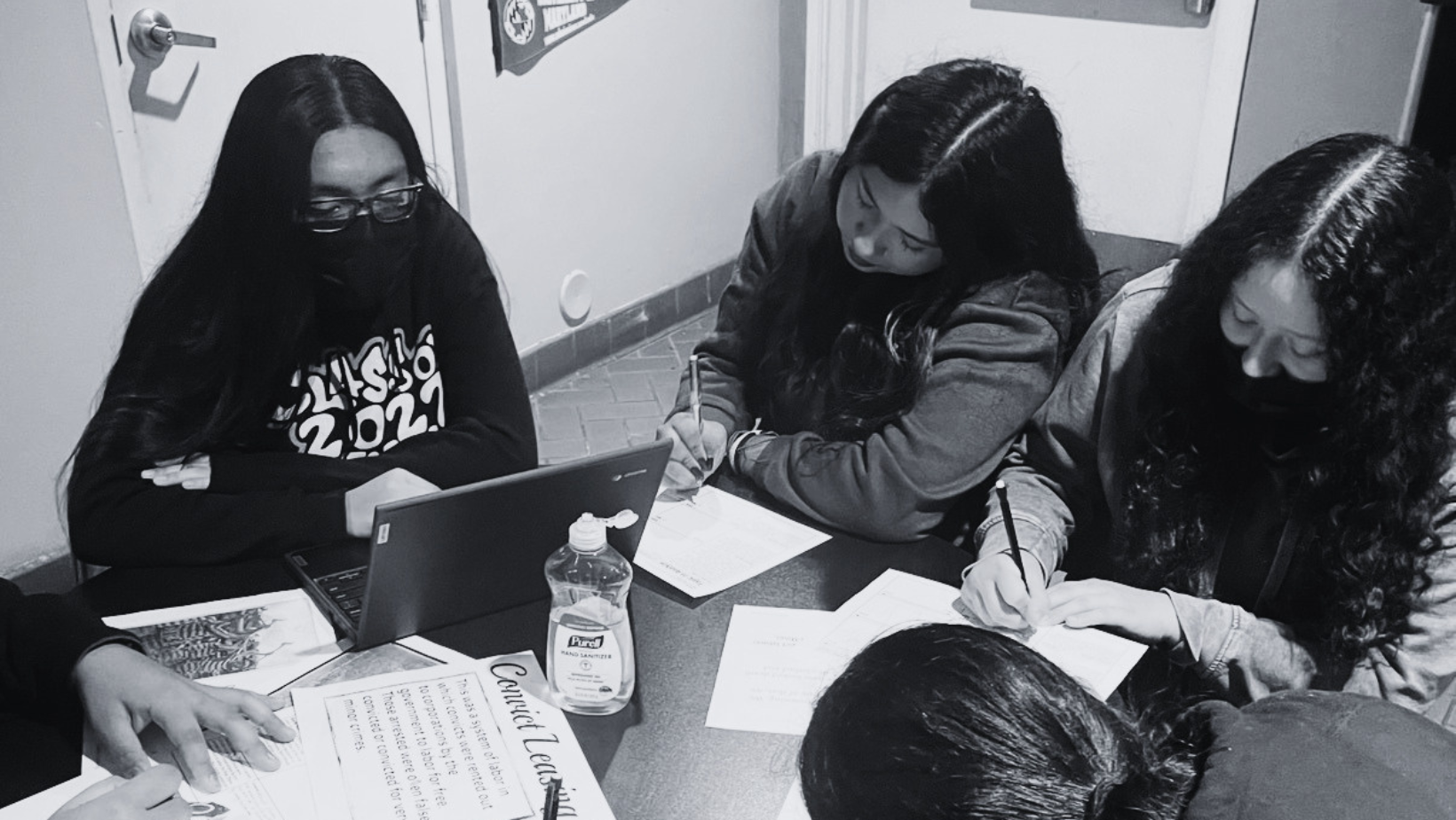
Somewhere between the backwards planning lesson templates and the classroom management theories, someone in the credential program told us all to "build relationships with your students" and "have clear procedures” and also “provide rigor for all” but also “make it all accessible for all learners in the room”.
Cool. But what does that actually look like at 7:45am when kids are still walking in mid-sentence and you haven't had a full sip of coffee yet?
Nobody showed us that part.
THIS TOOK ME YEARS TO FIGURE OUT
My first few years of teaching I was rebuilding everything from scratch every single semester. New seating chart, new entry routine, new late work policy - because I was on a relentless mission to figure out what really works. I revised and tweaked until I figure out the systems that stuck.
I watched hours of YouTube videos, read teacher books, listened to podcasts.
Here’s what all of it eventually came down to:
A really good classroom management system gets rid of friction. As much as possible, as often as possible.
Think about it this way. When a student walks in and they were absent yesterday, what happens? Do they interrupt the warm up to ask what they missed? Do they sit there and say nothing at all, only to come to you the week after when they realize the 0 that was put into the LMS? A well-designed system means that student walks into the room and knows exactly what to do and how to get their missing work— without having to ask you directly. And as high school students they’re certainly capable of it (I promise), especially when they understand how a system works.
The more you’re the answer to every daily request, the more friction you create for yourself.
The more you detach from the routine stuff, the more energy you have for the tasks that require you: checking in one-on-one during the lesson, pulling a small group to reteach, having a much-needed conversation with a student who’s had a particularly tough week. The stuff we all nod at during a PD but are inwardly scoffing at because how the heck do they expect us to find the time to do that?!
REDUCING FRICTION
Now that you understand the main goal (to reduce friction in the classroom), I can explain the systems to put into place that make it a reality in a room full of teenagers.
1) An enter procedure students can follow independently from day one.
2) A work procedure built around short instructional videos so you can minimize the amount of times you’re repeating yourself.
3) An exit procedure that resets the room and is ready for the next group of 30 teenagers that are about to walk in.
And if you’re feeling extra courageous, a self-paced structure that puts the students at the center of their learning and gives them ownership of the way they use their time.
THE SELF-SUSTAINING HIGH SCHOOL CLASSROOM
The Self-Sustaining High School Classroom takes everything I just walked you through and gives you the step-by-steps in video modules, plus every template I used to actually implement it— because a system is only as good as how easy it is to maintain (I think, as teachers, we understand that in a very deep way).
It’ll take less than 2 hours to get through the course from start to finish. And, I’ve loaded it with bonuses (that you can actually use in your classroom).
You can keep buying the $5 lesson plans you love on TpT. You can keep the $15 monthly subscription from your favorite teacher creator who teaches your content. None of that is wrong. But you’re still going to feel the same friction. You’re still going to repeat yourself endlessly and sit down to edit those products you’ve purchased at 10:26pm the night before— until you build a classroom model that is meant to support you and keeps everything running (nearly) on autopilot.
Grab The Self-Sustaining High School Classroom Course in the shop.
Drea